I work as a fractional CTO for small and medium businesses: the senior technology seat, filled part-time. Tool and AI decisions made with the whole business in view, systems built on the business's own machines, vendors kept honest, and everything documented in plain files the business owns. The owner runs the business; the technology has someone whose job it is.
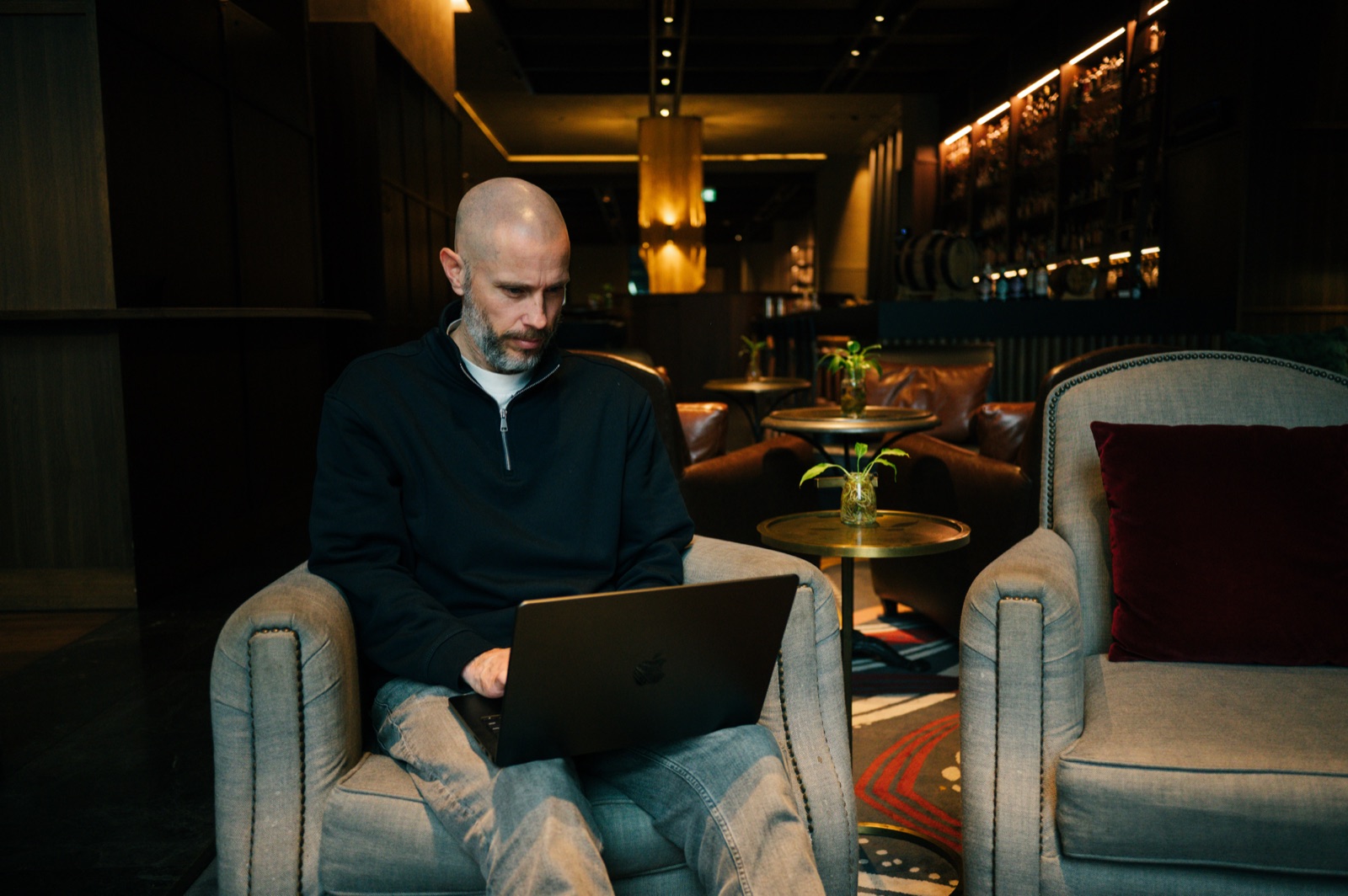
The practice is AI-forward by design. The systems I stand up for clients are the current generation: agents that read the business's numbers, draft in the owner's voice, follow up the quotes, and keep working after hours. I build with these tools every day in my own business first, and client recommendations come from that.
What the fractional CTO engagement covers
- Technology decisions, owned. Which tools and AI systems to adopt, what to build, what to skip, and in what order, decided against how the business actually runs.
- Systems built, and shown working. Set up on your machines, demonstrated live, documented in files you own. Nothing locked to me or to a single AI vendor.
- Vendors and quotes reviewed. A senior technical eye on every proposal that lands on your desk, from software contracts to website quotes.
- Kept current. The technology changes monthly. Part of the role is watching it so the business only moves when a change earns its place.
Three ways to engage
- Half-day working session, $2,000. The smallest starting point: live on Zoom, your first AI system set up together on your machine. Format detail on the training page.
- Full advisory engagement, $15,000. The technology plan for the business made properly, with the first systems stood up as part of it. The advisory page carries the full shape.
- Retained fractional CTO, from $5,000 a month. The ongoing seat: across the business, across the technology, available when a decision comes up.
Who takes the seat
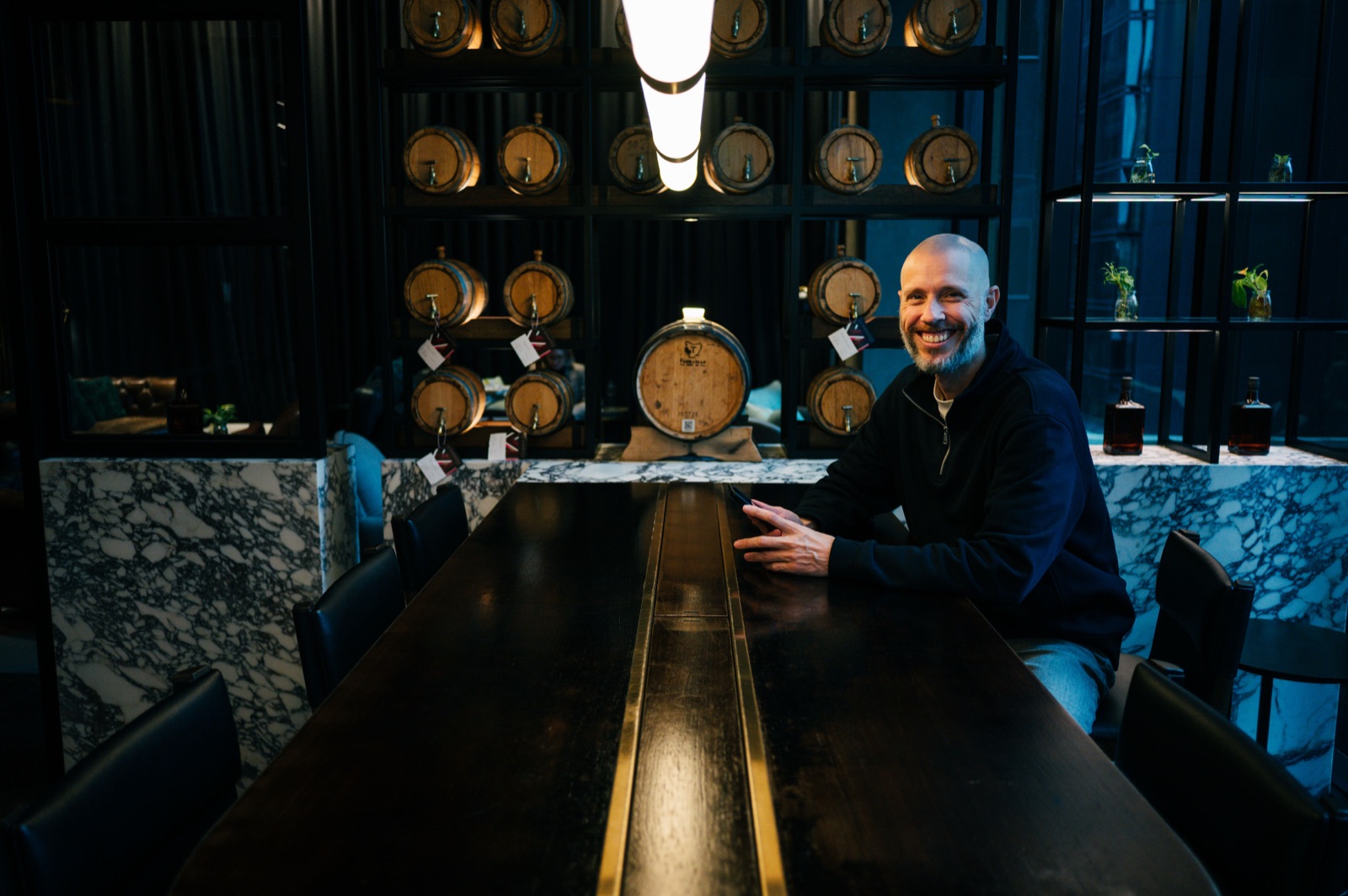
I'm Daniel Bilsborough, based in Melbourne, working with businesses anywhere over Zoom. Enterprise technology background at Hewlett-Packard and Siemens (BBC account, London), RMIT double degree in business administration and computer systems engineering, fifteen years running my own businesses, and current ads-and-growth work at Northbase digital agency. There is no team behind the curtain; the person you talk to does the work.
The same service under its other names: some businesses search for a AI consultant, a virtual CTO, or an outsourced CTO. The engagement is the one described on this page. Where the technology question is specifically about agents, AI agent setup covers that piece on its own.
Start with a conversation.
Email what your business does and what technology currently frustrates it, and you'll get a straight answer on whether the fractional model fits, including when it doesn't.
Get in touch →Questions businesses ask
What is a fractional CTO?
A chief technology officer who works with the business part-time or on retainer. The business gets senior technology leadership at a fraction of a full-time executive salary.
How much does a fractional CTO cost?
Market rates run $150-400 an hour or $3,000-15,000 a month retained. This practice prices by engagement: retained from $5,000 a month, the full advisory engagement at $15,000, and the $2,000 half-day session as the smallest way in.
When does fractional make sense over full-time?
A full-time CTO suits a business whose product is software. For businesses whose product is something else, the fractional model provides the same seniority of judgment, sized to the actual workload.
How do I hire a fractional CTO?
Start small. A half-day working session or a scoped advisory engagement lets both sides learn how the working relationship fits before anything ongoing is committed.
Is a virtual CTO different?
Virtual CTO, outsourced CTO, and fractional CTO name the same arrangement. Melbourne based, works anywhere.